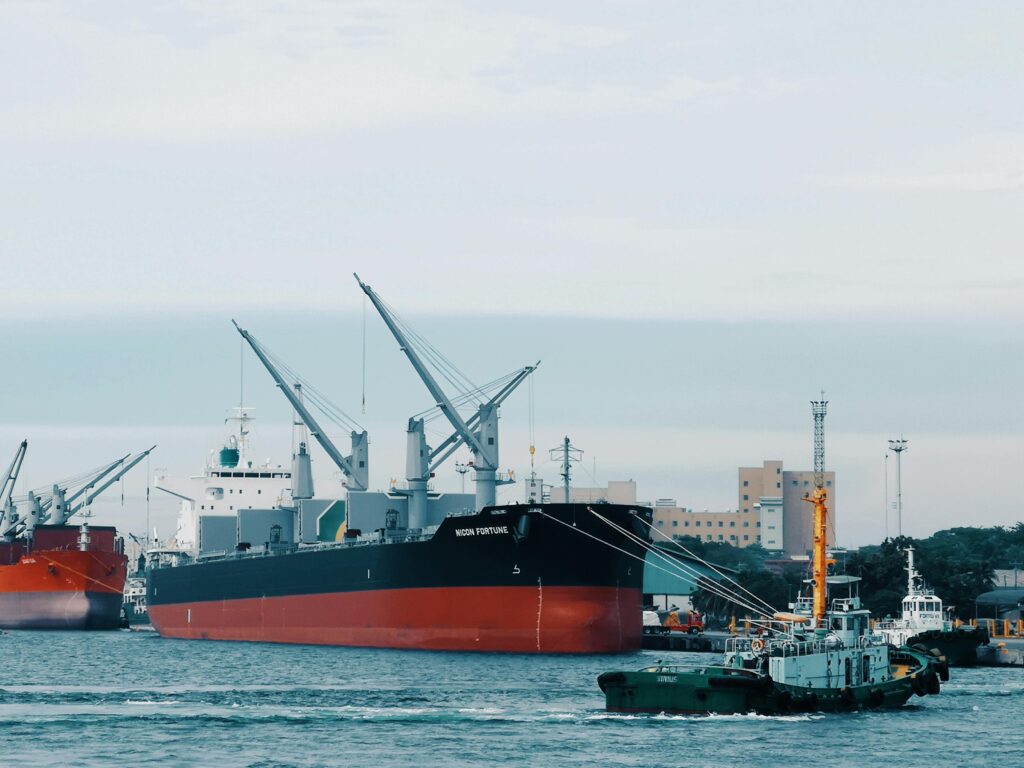
Choosing a trustworthy ship chandler is one of the most important decisions for any vessel operator, captain, or ship management company. A reliable supplier ensures smooth operations, punctual deliveries, and top-quality provisions that support crew wellbeing at sea. Below you’ll find a comprehensive guide on how to select the right partner for provision supply for vessels, based on experience, logistics, compliance, and service standards.
1. Verify the Ship Chandler’s Experience in the Maritime Industry
A professional ship chandler should have proven experience working with various types of vessels—cargo ships, tankers, offshore units, fishing fleets, and passenger vessels. The longer a supplier has operated in the maritime industry, the better they understand port restrictions, customs procedures, delivery timelines, and onboard requirements. Experienced chandlers are also more likely to maintain strong relationships with port authorities and transport partners, ensuring seamless coordination.

2. Check the Quality and Range of Provisions Offered
When evaluating a ship chandler, always review the range and quality of products they supply. A trustworthy provider should offer fresh food, frozen items, dry provisions, deck supplies, safety equipment, cabin stores, and technical materials. Their stock should come from verified, reputable sources. Consistent quality ensures that your crew receives healthy meals and reliable equipment, contributing to better morale and operational efficiency during voyages.
3. Ensure Reliable Logistics and On-Time Delivery
Efficient logistics are essential for provision supply for vessels. A dependable ship chandler must be capable of delivering supplies at short notice, even outside standard working hours. They should have refrigerated trucks, well-equipped warehouses, and strong distribution networks in major ports. Timely coordination prevents downtime, minimizes delays, and helps ships depart according to schedule. Any provider unable to guarantee punctual deliveries may put the entire voyage plan at risk.

4. Evaluate Compliance with Health, Safety, and Maritime Regulations
Maritime supply operations require strict adherence to international health and safety standards. A reputable ship chandler should comply with HACCP, ISO, and other industry certifications. They must follow proper storage procedures, maintain cold-chain integrity, and ensure all goods meet local and international regulations. Compliance builds trust and reduces the risk of rejected shipments, fines, or health issues on board.
5. Review Transparency in Pricing and Documentation
Transparent pricing is a key element when choosing a ship chandler. Look for suppliers who provide clear quotes, accurate invoices, and detailed product specifications. This helps prevent unexpected fees and ensures you always know what you’re paying for. The best chandlers also manage all necessary documents, including certificates of quality, customs declarations, and delivery notes—saving you time and reducing administrative burden.

6. Check Customer Support and Communication Standards
Effective communication is crucial when coordinating vessel supply operations. A reliable chandler should be available 24/7 to respond to urgent requests, cargo changes, or schedule updates. Their team should speak fluent English and provide clear, fast, and accurate information. Good customer support ensures smooth cooperation and reduces misunderstandings, which is especially important when operating under time pressure in busy ports.
7. Look for Flexibility and Customised Services
Every vessel has different operational needs, dietary requirements, and technical demands. The best ship chandlers offer flexible solutions such as customised provisioning lists, tailored supply packages, and support for unique on-board requests. This adaptability helps maintain efficiency and ensures that officers and crew receive exactly what they need—nothing more, nothing less.
O Autorze Posta